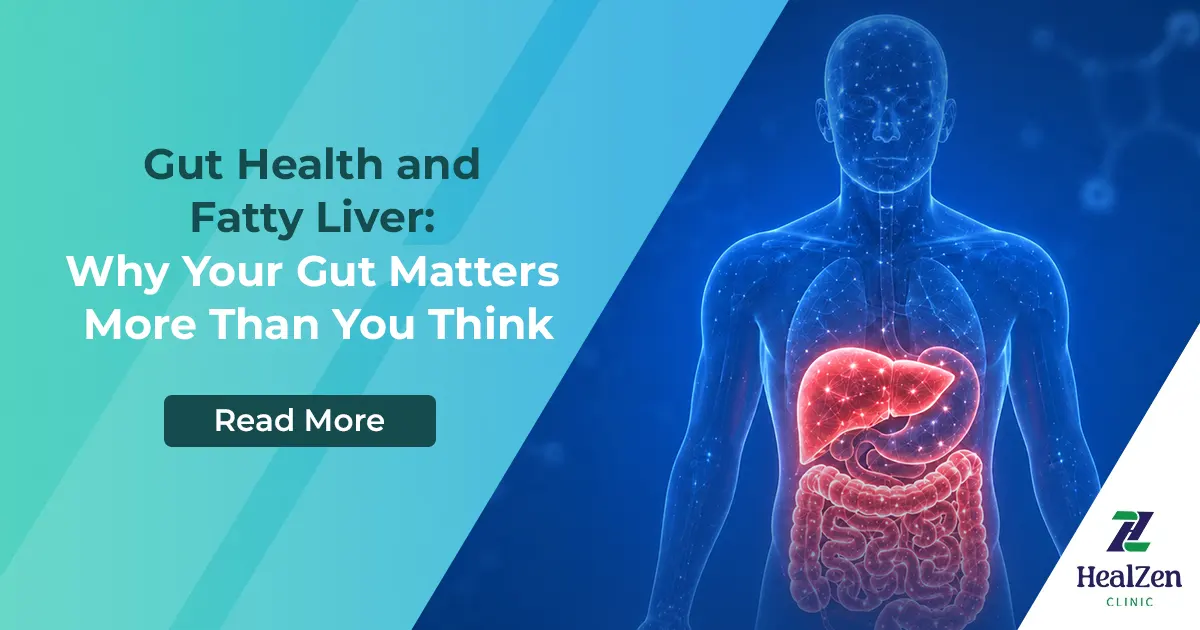
When people talk about fatty liver they usually think about the liver and how much fat is in it. They think about whether the liver’s working properly or if it is damaged. The thing is, your liver is really connected to your gut.
Your gut and liver are always talking to each other. This relationship is called the gut-liver axis. Over the last several years, scientists have found out that this connection is really important for liver health. It can even cause Non-Alcoholic Fatty Liver Disease, which’s a common liver problem that many adults have today.
The Hidden Connection Between Your Gut and Liver
Your gut and liver work together as a team. When you eat, the nutrients from your food are absorbed in your intestines and travel directly to your liver through a special blood vessel. Along the way, this blood can also carry toxins, bacterial byproducts, and other substances from the gut. The livers job is to clean and filter these things. When your gut is healthy your liver can do its job easily. When your gut is not healthy your liver can get sick. This connection between your gut and liver is what doctors call the gut-liver axis.
Your Gut Microbiome: A Powerful Ally
There are tiny living things inside your digestive system. These are called the gut microbiome. They help you digest food keep you healthy and make sure your gut is working properly. A healthy gut microbiome is like a team. Sometimes this balance can get disrupted. This is called gut dysbiosis. Scientists have found out that people with fatty liver disease often have a gut microbiome. The good bacteria are reduced. The bad bacteria are increased. These bad bacteria can even make things that hurt your liver.
Over time this can cause fat to build up in your liver and make it inflamed.
Understanding the “Leaky Gut” Effect
One of the connections between your gut and fatty liver is something called leaky gut.
The lining of your intestines is like a wall. It lets the stuff in and keeps the bad stuff out. When this lining gets damaged bad things can get through. These bad things can travel to your liver. Cause inflammation. While this is supposed to protect your body, it can hurt your liver if it happens regularly. This is why some people get liver problems like liver fibrosis or non-alcoholic steatohepatitis.
Bile Acids: More Than Digestion
Most people know that bile helps digest fat. Bile acids do more than that. Your liver makes bile acids. Sends them to your digestive system. The gut bacteria then change these acids. Send them back to the liver.
This process is like a conversation between your gut and liver.
Bile acids also help control blood sugar, fat and inflammation. When your gut microbiome is not healthy bile acid metabolism can get disrupted. This makes it hard for your liver to control fat and inflammation.
Supporting Your Gut and Liver Through Food
The news is that food that is good for your gut is also good for your liver. Following a strict diet, it is better to eat food that nourishes both your gut and liver.
Eat Fiber-Rich Foods
Fiber is like food for the good bacteria in your gut. When they eat fiber they make things that help your gut stay healthy.
You can find fiber in:
- Vegetables
- Fruits
- Grains
- Legumes and pulses
- Nuts and seeds
Include Fermented Foods
Fermented foods can help support the good bacteria in your gut. You can try:
- Plain curd
- Buttermilk
- Idli
- Homemade fermented foods
Add Healthy Fats
Omega-3 fatty acids are good for both your liver and gut. They help reduce inflammation. You can find omega-3 in:
- Walnuts
- Flaxseeds
- Chia seeds
- Fatty fish, like salmon, sardines and mackerel
Limit Foods That Harm the Gut-Liver Axis
Some foods can make your gut and liver sick. Try to eat less:
- Ultra-processed foods
- Sugary drinks
- Regular sugar
- Refined carbohydrates
- Alcohol
Even small changes in your diet can help your gut microbiome in just a few weeks.
Conclusion
Fatty liver disease is not a liver problem. It is also a gut problem. The health of your gut microbiome the strength of your wall and the things that happen in your digestive system all affect your liver. This is why taking care of your gut is important for managing fatty liver disease.
If you have fatty liver disease you can make a difference by eating managing stress exercising and getting help from a doctor. Remember, taking care of your gut is good, for your digestion and your liver.